
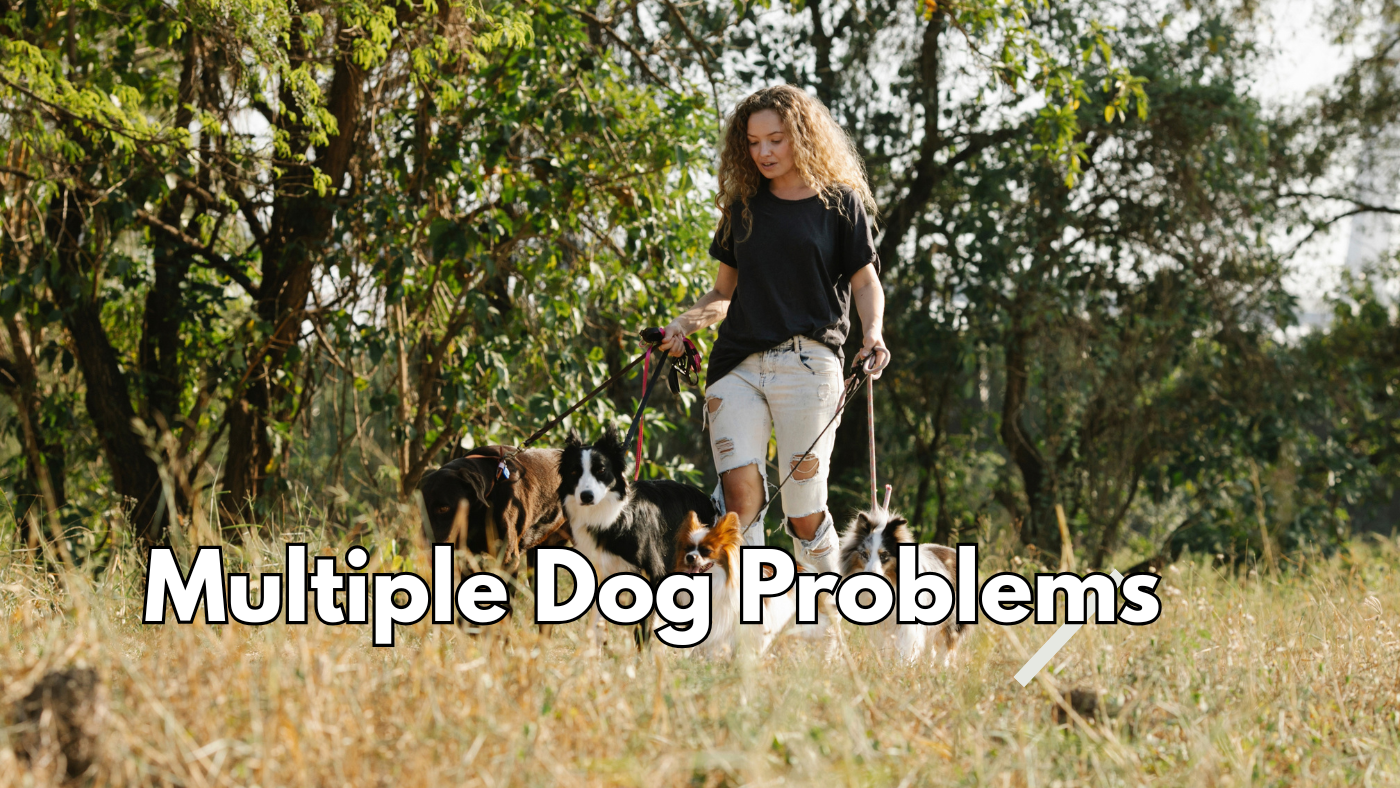
Your dogs mostly get along, until one of them ends up with stitches. On Dog Works Radio, Michele Forto explains why the dog who “starts it” is usually responding to a quiet signal the other dogs have been sending for days.
If you have more than one dog and you keep thinking, “If we just fixed that one, the house would settle,” this episode is for you. Michele breaks down the triangle: the manager dog who doesn’t always growl, the independent dog who pushes back, and why both humans have to see the same picture before teaching any new command.
Key points
- In a house with three dogs, the hierarchy is a triangle, not a straight line. It shifts when a dog joins or leaves.
- One dog usually manages space, who gets close to people, the best bed, the food bowl. The manager often does it with body blocks, stares, or a lowered head that the owners have stopped noticing.
- The second dog usually goes along. The third, often more independent, refuses and pushes back. Fights often start with the third dog, but the manager often makes the first move by saying, “Not right now.”
- Breed is information, not an excuse. Traditional Alaskan huskies are often pack- and people-oriented and, once rules are clear, food-motivated. Karelian Bear Dogs and certain Laikas are bred to work at a distance and make their own decisions. You do not convince them by repeating the cue louder.
- Late neutering (after the dog has already learned patterns) can change the individual dog while the other dogs still treat him as the old version. That mismatch can look like random aggression.
- The first step in an in-home session is not a new sit. It is watching who moves when people enter, who steps between the others, and what happens when attention lands on one dog.
- Both adults must use the same words, interrupt the same way, and reward the same behaviors so the dogs stop testing which person is easier.
- For the manager dog, people now make the access decisions. For the independent dog, find what actually motivates her and make the rules clear so cooperation is a choice, not a surrender. For the older dog, give clear ways to leave so he does not have to choose between fighting and freezing.
This episode’s weekly action
Choose a time when your dogs are together, and you are not rushed. Watch them for five minutes without saying anything. Who moves first when you open the door? Who stands between the other two? Who gives a look that says enough without making a sound? Write it down. Do not try to fix anything yet.
Other Episodes You Will Love
· How to Get the Best Results out of Dog Training
This episode was recorded on the Shure SM7B and a Rodecaster Pro II
Like this episode? Share it with your dog training friends!
Love this episode? Say thanks in true dog training podcasting style by leaving a review.
FREE! Grab our 7-Day Real-World Dog Training Plan
Take our Understanding Drive Behaviors quiz to see exactly what drive your dog is in and how to begin to train for it.
Join the On-Air Dog Training Coaching waitlist for a chance to be coached on the air by Dr. Robert or Michele Forto and get your dog training questions answered in real time.
Sign up now for 20% off our Group Coaching Program and learn how to build the best possible relationship with your dog.
Take your dog training to the next level with our Peak Performance membership.
Follow Dog Works Radio for more dog training tips: Facebook | Instagram | LinkedIn
©2009-2026 by Dog Works Training Company® All Rights Reserved.